





Jank botejo is a viral TikTok meme from 2023 involving custom blankets featuring images of Jaxon Buell, a child with microhydranencephaly. The trend sparked both humor and ethical debates about using a deceased child’s image in internet culture.
You’ve stumbled across “jank botejo” somewhere online and now you’re confused. The phrase pops up in TikTok comments, meme pages, and search results. Some websites claim it’s an ancient cultural festival. Others suggest it’s just internet nonsense.
The truth sits somewhere between viral absurdity and real controversy. This term connects to a 2023 TikTok trend that made millions laugh while others questioned if the joke had gone too far. Understanding jank botejo means looking at how internet culture creates meaning from chaos.
This guide breaks down everything about jank botejo. You’ll learn where it came from, why it went viral, and what the debates mean for meme culture today.
What Is Jank Botejo?
Jank botejo refers to a TikTok meme that exploded in 2023. The trend centered on TikToker @customwoodburning, who received packages during live streams containing custom blankets and photos. These items featured an image labeled “Jank Boteko ❤️ Didi.”
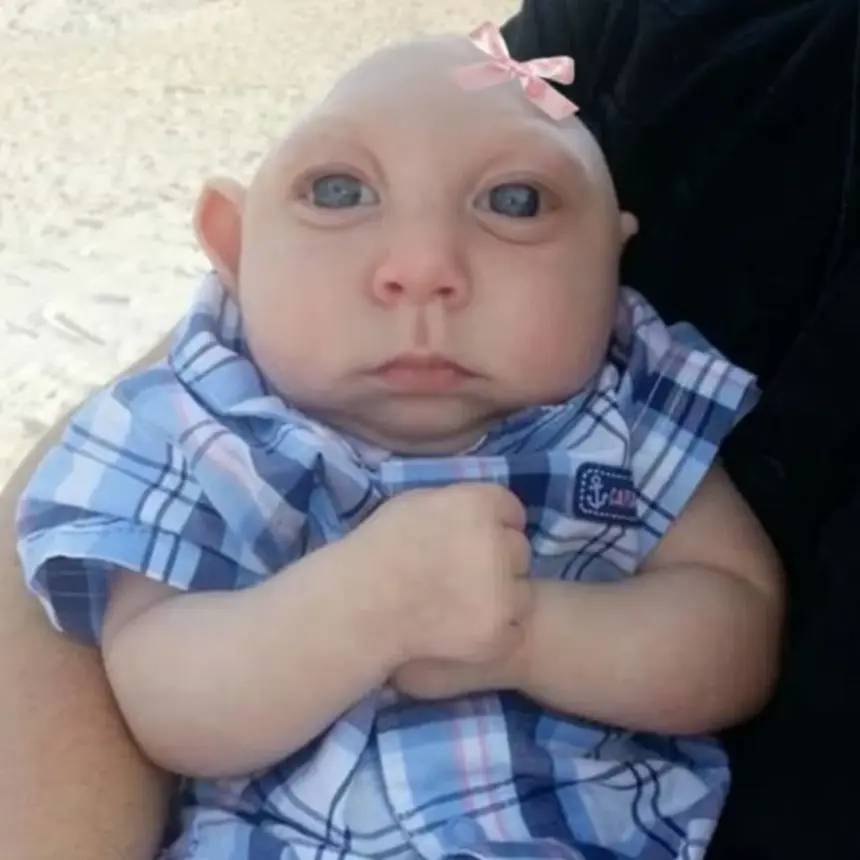
The image shows Jaxon Buell, a child born with microhydranencephaly in 2014. This rare condition affected his brain development, giving him a distinctive appearance. Jaxon passed away in 2020 at age five. His parents had shared his story publicly, hoping to raise awareness about his condition.
The phrase “jank botejo” or “jank boteko” has no clear meaning. Linguists suggest “jank” might come from slang meaning “junky” or “low quality.” The term “botejo” or “boteko” could be phonetic spelling influenced by Portuguese or Hindi words. The name appears completely made up, with no connection to Jaxon’s actual identity.
The Viral Format
Fans sent @customwoodburning increasingly bizarre packages during her TikTok live streams. These packages included:
- Custom blankets with Jaxon’s image
- Framed photos
- Other personalized merchandise
- Messages saying “Jank Boteko ❤️ Didi”
The creator’s reactions to these unexpected items became the entertainment. Her surprise, confusion, and sometimes uncomfortable responses drove the trend forward. TikToker @cat_terdz recorded many of these live streams, helping spread clips beyond the original audience.
How Jank Botejo Started
The origins trace back to earlier internet culture. Jaxon’s image appeared on 4chan’s /b/ board as early as 2016, years before the TikTok trend. These early uses treated the image as shock content or dark humor.
The phrase “jank botejo” itself emerged specifically in 2023. The @customwoodburning account’s satirical comedy style made it the perfect target for this type of absurdist humor. Fans enjoyed the unpredictability of sending strange packages to provoke live reactions.
Why It Spread So Fast
Several factors fueled the rapid spread:
Exclusivity: The meme created an inside joke. Participants felt part of a community that understood the reference while outsiders remained confused.
Absurdist humor: The randomness appealed to internet users who enjoy nonsensical content. The phrase sounded like it should mean something but appeared purposefully meaningless.
Live stream interaction: Watching real-time reactions added an interactive element that pre-recorded content couldn’t match.
Easy participation: Anyone could order custom merchandise online and join the trend, making participation accessible.
The meme peaked between late 2023 and early 2024. By 2025, it remains recognizable in certain TikTok circles but has faded from mainstream attention.
The Ethical Controversy
The jank botejo trend sparked serious debates about internet ethics. Critics raised several concerns about using Jaxon’s image for entertainment.
Privacy and Consent
Jaxon’s parents shared his story publicly during his lifetime. However, they may not have consented to his image being used in memes after his death. The family’s original intent focused on raising awareness about his condition, not creating viral entertainment.
Respect for the Deceased
Using a deceased child’s medical condition as the basis for jokes raises moral questions. Many people found the humor disrespectful to Jaxon’s memory and his family’s grief.
Exploitation Concerns
Some content creators profited from merchandise or content featuring Jaxon’s image. This commercialization adds another layer to the ethical debate about appropriate boundaries in meme culture.
The Humor Defense
Supporters argue the meme represents absurdist humor rather than mockery. They claim the randomness itself creates the comedy, not Jaxon’s condition. Internet culture often walks this fine line between playful absurdity and potential harm.
Common Misconceptions About Jank Botejo
Search results for “jank botejo” return confusing information. Many websites describe it as a traditional cultural festival or celebration. These claims lack credible evidence.
The Cultural Festival Myth
Several articles describe jank botejo as:
- An agricultural harvest festival
- A South Asian or Latin American tradition
- A celebration involving music, crafts, and communal feasts
- An ancient practice rooted in agrarian societies
These descriptions appear to be fabricated SEO content with no factual basis. No credible historical records, anthropological studies, or cultural organizations document such a festival. The only verified meaning relates to the TikTok meme documented by Know Your Meme and similar sources.
This confusion highlights how internet search results can spread misinformation. Content creators sometimes generate articles about trending search terms without verifying facts.
Why the Confusion Exists
The misinformation likely stems from:
- SEO farming: Writers creating content around trending keywords to attract traffic
- AI-generated articles: Automated content that mixes real cultural practices with fictional elements
- Copy-paste journalism: Sites republishing unverified information from other sources
- Search algorithm manipulation: Creating multiple articles to dominate search results
| Real Information | False Claims |
|---|---|
| TikTok meme from 2023 | Ancient cultural festival |
| Involves Jaxon Buell’s image | Traditional harvest celebration |
| Documented by Know Your Meme | Practiced in South Asia/Latin America |
| Peaked in 2023-2024 | Historical roots in agrarian societies |
Why People Search for Jank Botejo
Understanding search intent reveals why this term remains popular online.
Curiosity: Most people encounter the phrase without context. They want to understand what it means and where it came from.
Meme participation: Some users want to join the inside joke. They search to learn how they can create their own jank botejo content.
Context seeking: TikTok videos reference the meme without explanation. Viewers search to understand what they’re watching.
Confusion: The phrase sounds like it should have a specific meaning. The apparent nonsense prompts investigation.
Controversy awareness: Some people search specifically to understand the ethical debates surrounding the meme.
The Impact on Internet Culture
Jank botejo represents larger trends in how online communities create and share content.
Absurdist Humor Evolution
Internet humor has shifted toward increasingly random and context-free content. Memes no longer need to make traditional sense to become popular. The absurdity itself becomes the joke.
Community Building Through Inside Jokes
Viral trends create tight-knit communities. Knowing the reference signals membership in a specific online group. This exclusivity drives engagement as users seek to be “in the know.”
The Ethics of Viral Content
The controversy highlights ongoing debates about appropriate boundaries in meme culture. Where does harmless fun end and exploitation begin? Internet communities continue wrestling with these questions.
Real People in Digital Spaces
The trend demonstrates how real people’s images can be transformed into abstract symbols. Once content goes viral, it often loses connection to the actual person behind it. This disconnection enables humor that might otherwise seem inappropriate.
Frequently Asked Questions
What does jank botejo mean?
Jank botejo is a viral TikTok meme from 2023 involving custom items featuring Jaxon Buell’s image. The phrase itself has no clear meaning.
Is jank botejo a real cultural festival?
No. Claims about jank botejo being a traditional festival lack credible evidence and appear to be fabricated SEO content.
Why is the jank botejo meme controversial?
The meme uses a deceased child’s image for entertainment without clear family consent, raising ethical questions about respect and exploitation.
Who was Jaxon Buell?
Jaxon Buell was a child born with microhydranencephaly in 2014. He passed away in 2020 at age five after his family shared his story publicly.
Is the jank botejo meme still popular?
The trend peaked in late 2023 and early 2024. It remains recognizable in some TikTok communities but has largely faded from mainstream attention.
Moving Forward: Lessons from Jank Botejo
The jank botejo phenomenon teaches important lessons about digital responsibility and internet culture.
First, viral trends can have unintended consequences. What begins as harmless fun might cross ethical boundaries when it involves real people, especially vulnerable individuals or children.
Second, misinformation spreads easily online. The fabricated cultural festival claims demonstrate how false information can dominate search results and confuse users seeking accurate details.
Third, internet communities need ongoing conversations about appropriate content. Meme culture thrives on pushing boundaries, but those boundaries require thoughtful consideration. The balance between creative expression and basic human respect remains delicate.
The trend also reveals how quickly internet culture moves. A meme that dominated TikTok in 2023 has already faded by 2025. This rapid turnover means today’s viral sensation becomes tomorrow’s obscure reference. Yet the ethical questions it raised continue resonating beyond the trend itself.
Understanding jank botejo means recognizing both its humor and its harm. The absurdity that made people laugh also raised valid concerns about how we treat real people in digital spaces. These tensions define much of modern internet culture, where community, creativity, and conscience constantly negotiate their boundaries.