




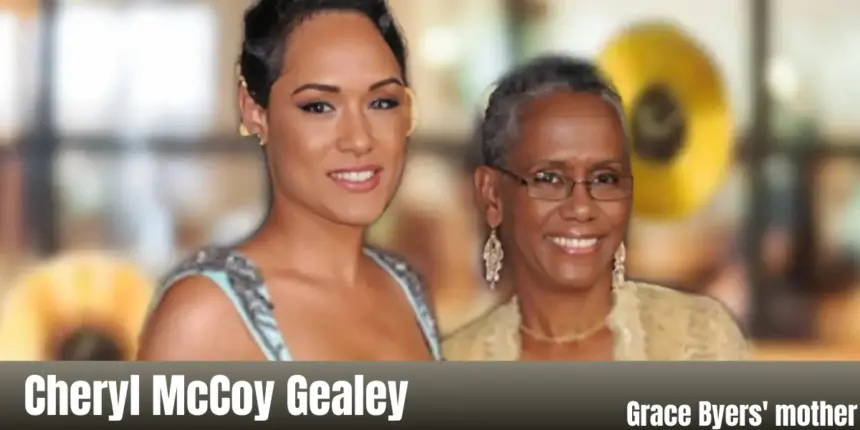
Cheryl McCoy Gealey is a deaf rights advocate from the Cayman Islands who founded the Cayman Islands Deaf Association. She lost her hearing at age two due to pneumonia and became the first deaf person to work in government, vote, and obtain a driver’s license in the Cayman Islands.
In the sun-soaked Cayman Islands, one woman refused to let hearing loss define her limits. Cheryl McCoy Gealey lost her hearing at age two after battling pneumonia, but this challenge became the foundation of a life dedicated to breaking barriers. Today, she stands as one of the Caribbean’s most influential deaf advocates, mother to Emmy-nominated actress Grace Byers, and a recipient of the Cayman Islands Medal of Honor for Community Service.
Her story reaches far beyond being a supportive parent. Cheryl has built a legacy that spans education reform, policy advocacy, and community leadership across the Cayman Islands and internationally.
This article explores Cheryl McCoy Gealey’s remarkable journey from a deaf child with limited resources to a global advocate who transformed accessibility and inclusion for thousands. You’ll discover her groundbreaking achievements, her role in shaping Grace Byers’ success, and her ongoing work to create equal opportunities for the deaf community.
Early Life and Education
Growing Up Deaf in the 1960s
Cheryl Anita McCoy-Gealey was born in the 1960s in Bodden Town, Cayman Islands, to Harry and Theoline McCoy. She lost her hearing at age two after battling pneumonia, during an era when resources for deaf individuals were virtually nonexistent in the Caribbean.
Her parents faced ridicule from their community for a bold decision. When they sent Cheryl to boarding school in Jamaica, neighbors criticized them for “wasting hard-earned money” to educate their deaf daughter. This progressive choice, however, would change the course of disability rights in the Cayman Islands.
Breaking Educational Barriers
Cheryl’s parents believed in the value of education and sent their daughter to a boarding school for the deaf during a time when those with disabilities in Cayman were not educated. This decision paved the way for special education throughout the islands.
Despite limited resources and communication barriers, Cheryl excelled academically. She completed her primary and secondary education, then pursued higher education in deaf education methods. Her academic success proved that deafness was not a barrier to achievement.
Professional Achievements and Firsts
Pioneering Civic Participation
Cheryl became the first deaf person to vote in a Cayman Islands election, ensuring her voice contributed to the democratic process. She also achieved another milestone by becoming the first deaf Caymanian to receive a driver’s license. Each milestone represented a symbolic breakthrough for the entire disabled community.
Cheryl quietly championed her own independence by becoming the first deaf person to work for Cayman Islands Government. Her employment in civil service demonstrated that deaf individuals could contribute meaningfully to professional environments.
Founding the Cayman Islands Deaf Association
One of Cheryl’s most significant contributions was establishing the Cayman Islands Deaf Association. Under her leadership, the organization has advocated for better educational resources, healthcare access, and legal protections. The association continues to serve as a vital resource for individuals and families affected by hearing loss.
Her advocacy work extended beyond local initiatives. She collaborated with policymakers to influence disability rights legislation, ensuring that deaf individuals are represented in decisions that affect their lives.
Media and Public Awareness
Cheryl hosted a groundbreaking television talk show, “Morning Express,” which included sign language interpretation. This program raised awareness about deaf culture and promoted better communication between hearing and deaf communities.
Through her media work, Cheryl taught sign language to hearing individuals, fostering understanding and inclusion across the Cayman Islands.
Recognition and Awards
| Award/Recognition | Year | Significance |
|---|---|---|
| Cayman Islands Medal of Honor | Not specified | Community Service contributions |
| International Deaf Leadership Award | Not specified | Global advocacy work |
| Founding Leader | Ongoing | Cayman Islands Deaf Association |
| First Deaf Government Employee | 1980s-1990s | Broke employment barriers |
Cheryl has received numerous accolades that reflect her substantial contributions to society, including national honors for community service and international awards recognizing her work in deaf advocacy. She has spoken at global conferences and collaborated with international organizations on disability inclusion initiatives.
Raising Grace Byers
Parenting as a Deaf Mother
Cheryl’s daughter, Grace Byers (née Gealey), is well-known for playing Anika Calhoun in the FOX television series “Empire.” Grace’s older sister, Faith, is also a CODA (Child of Deaf Adults). Both daughters grew up in a bilingual household, learning sign language before spoken English.
Grace stated in an interview with The Doctors: “So many people have asked me what it’s like growing up with Deaf parents and it’s so interesting because I don’t know what it’s like to be raised by hearing parents”. This response highlights the normalcy and richness of their family communication.
Instilling Values of Resilience
Cheryl instilled values of perseverance and self-acceptance in Grace, which helped her navigate the challenges of Hollywood. Grace frequently credits her mother’s resilience as fundamental to her success in entertainment.
Grace has publicly stated: “My mother, Cheryl McCoy-Gealey, has been the lynchpin of my life. Without her and the many sacrifices she’s made throughout my childhood, the events of today would not be occurring. It’s on her shoulders which I proudly stand; she’s the real star of the show”.
Current Work and Impact
The Cheryl McCoy Gealey Foundation
In 2025, Cheryl unveiled the Cheryl McCoy Gealey Foundation, a nonprofit dedicated to deaf education and digital inclusion. The foundation develops programs that ensure deaf individuals have equal access to technology and online opportunities.
Mentorship remains central to her work. She guides young deaf leaders, collaborates with technology firms to create accessible learning tools, and continues advocating for policy changes.
Addressing Employment Gaps
The statistics underscore why Cheryl’s advocacy remains crucial:
- More than 70 million people in the world are deaf, and 80% of deaf people are living in developing countries
- Only 57.1% of adults with hearing loss are employed, compared to 73.3% of hearing people
- People with hearing loss earn about 25% less; their mean wage was $23,481, compared with $31,272 for typical-hearing peers
These employment gaps drive Cheryl’s ongoing work to create better opportunities for deaf individuals in the Caribbean and beyond.
Vision for the Future
Cheryl’s vision includes universal access to sign language education, increased employment opportunities for deaf individuals, and more excellent representation in decision-making processes. Her three main priorities are:
- Universal Sign Language Education: Making sign language instruction available in all schools, not just specialized institutions
- Digital Inclusion: Ensuring deaf individuals have equal access to digital technologies and online opportunities
- Policy Leadership: Following the motto “nothing about us without us,” where deaf people lead and others support them as committed allies
Family Legacy
Cheryl’s influence extends throughout her family. Her daughter Faith Rochez (née Gealey) is a senior speech and language therapist with the Health Services Authority, leading the speech and occupational therapies team. Faith also serves on the National Disabilities Council and volunteers with Special Olympics Cayman Islands.
The McCoy-Gealey family represents a multi-generational commitment to improving accessibility and communication for those with disabilities. Their collective work demonstrates how advocacy can create lasting systemic change.
Key Lessons from Cheryl’s Journey
Cheryl McCoy Gealey’s life offers valuable insights for anyone facing barriers:
Perseverance Changes Systems: Her consistent advocacy led to new accessibility laws in the Cayman Islands, enacted in early 2025, ensuring deaf individuals’ rights to education and employment.
Community Matters: Building and nurturing strong support networks within the deaf community created collective power for change.
Representation Creates Possibility: By simply living her truth and achieving her goals, Cheryl showed others what was possible for deaf individuals.
Family Support Transforms Lives: Her parents’ belief in education set the foundation for everything that followed, demonstrating the power of advocacy beginning at home.
Frequently Asked Questions
Who is Cheryl McCoy Gealey?
Cheryl McCoy Gealey is a deaf community leader and advocate from the Cayman Islands. She founded the Cayman Islands Deaf Association and is the mother of actress Grace Byers.
How did Cheryl McCoy Gealey lose her hearing?
She lost her hearing at age two after battling pneumonia in the 1960s in the Cayman Islands.
What is Cheryl McCoy Gealey known for?
She’s known for founding the Cayman Islands Deaf Association, being the first deaf person to work in government and vote in the Cayman Islands, and hosting a TV show with sign language interpretation.
How did Cheryl influence Grace Byers’ career?
Cheryl instilled values of perseverance and self-acceptance in Grace, which helped her navigate Hollywood’s challenges. Grace credits her mother’s resilience as fundamental to her success.
What is the Cheryl McCoy Gealey Foundation?
Launched in 2025, it’s a nonprofit dedicated to deaf education and digital inclusion, developing accessible learning tools and mentoring young deaf leaders.
Conclusion
Cheryl McCoy Gealey’s journey from a deaf child in the 1960s Cayman Islands to a globally recognized advocate demonstrates the power of determination paired with purpose. She didn’t just overcome personal challenges. She transformed systems, changed laws, and created pathways for thousands of deaf individuals to participate fully in society.
Her legacy lives on through the Cayman Islands Deaf Association, through her daughters who continue advocacy work, and through the countless individuals whose lives improved because of policies she helped establish. Cheryl proves that real change comes from those who refuse to accept limitations, who build communities of support, and who never stop fighting for inclusion and dignity. Her work reminds us that advocacy takes many forms, and sometimes the most powerful leadership happens through the quiet, persistent act of breaking barriers one at a time.